Table of contents
Reduce your waste
Reducing waste at home, school, and in the community is one of the most effective ways we can protect our environment. Small, everyday choices, like choosing reusable items, sorting waste correctly, and avoiding unnecessary packaging all help to reduce what ends up in landfill and support a more sustainable, circular economy.
What you can recycle at home
Recycling correctly helps recover valuable materials and turn them into new products. In Mandurah, you can place these five items in your yellow‑top recycling bin:
- Cans
- Paper
- Plastic bottles and containers
- Cardboard
- Glass jars and bottles
Hazardous waste disposal
Some items don’t belong in household bins, such as:
- Batteries
- E-waste (electronics and electrical)
- Paints, chemicals, and oils
- Fluorescent light tubes
- Gas bottles
Dispose for free at the Waste Management Centre.
Recycling hubs
With the City's recycling hubs, you can recycle some of the household items that can’t go in your kerbside bins. Accepted items include household batteries, CFL light globes, aerosol cans, and mobile phones.
Recycling hubs can be found at:
- The City's Admin Building (3 Peel St, Mandurah)
- Lakelands, Mandurah, and Falcon libraries
- Mandurah Aquatic and Recreation Centre
- Billy Dower Youth Centre
For more recycling and drop-off centres, use Recycle Right’s Find My Nearest tool. Not sure what to do with a tricky item? This A-Z list helps residents dispose of or recycle common household items correctly.
 (1) (1).webp?language=en)
Waste‑reduction initiatives
Simple switches
Download the Plastic Free Mandurah guide and discover everyday behaviours to reduce waste and plastic use.
 (1).webp?language=en)
Grow It Local
Join a community of local gardeners, learn to compost, and reduce food waste at home. Free to subscribe.
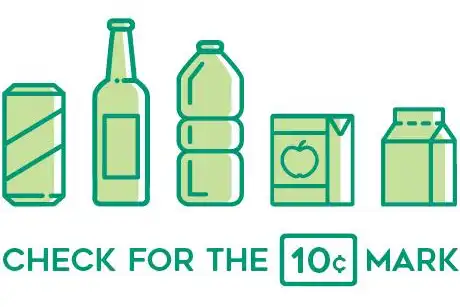
Containers for Change
Earn 10c for every eligible container returned. Find local drop-off points and learn what can be collected.
Get involved in community programs
We all have a part to play in building a cleaner, greener Mandurah. Here are a few ways to get involved:
- Community gardens – Connect with others, learn sustainable gardening techniques, and support local composting initiatives.
- Volunteer groups – Join local volunteers dedicated to protecting our environment, such as clean up events.
- Repair Cafes – Bring along broken household items instead of throwing them away. Visit a Repair Cafe in Falcon or Lakelands.
- Reel‑It‑In bins – Use these yellow bins to responsibly dispose of fishing litter and reduce marine pollution.
- Clean Up Australia – Empowers people to register a local clean-up and drive change.
- Adopt-a-Spot – This anti-litter program provides volunteers with tools and support to coordinate clean-ups in their community.
- Libraries – Visit a seed library and plant at home; plus, check out waste reduction books and resources.
 (1).webp?language=en)
Other helpful resources
Explore a range of helpful resources designed to support learning, inspire community action, and deepen understanding of waste and sustainability.
Our bin tagging program helps households sort waste correctly by providing simple, on‑the‑spot feedback at the kerbside.
Randomly selected bins are checked before collection via a quick visual inspection. If an item is in the wrong bin, a tag is placed on the bin explaining what went wrong and what belongs there instead. Correctly sorted bins will receive positive feedback.
By reducing contamination in recycling bins, more material can be recovered, helping to keep processing costs down and saving the community money over time.
Access curriculum‑aligned lesson plans, activity sheets, and classroom tools that make waste education engaging and age‑appropriate. Ideal for supporting school programs and reinforcing positive waste‑sorting habits.
- Cleanaway’s school waste education programs - Cleanaway make recycling and sustainability easy to understand, with interactive sessions that help students develop waste‑smart habits. The free programs are curriculum‑aligned and can be tailored to all ages.
- WasteSorted Schools - This free program supports schools to reduce waste, providing resources, workshops, grants, and accreditation to help schools plan, implement and maintain effective waste‑avoidance and resource‑recovery initiatives.
Other resources
- ABC Education (curriculum-aligned videos, games and interactive resources)
- Australian Association for Environmental Education (waste games and activities)
- Coastal Waste Warriors (educational workshops, waste audits, and clean ups)
- Containers For Change (downloadable educational guide)
- Clean Schools Program (learning about litter resources, games, and activities)
- Eco-Schools (global sustainable schools' program focused on action-based learning)
- Environmental Teaching Resources (covering climate change, biodiversity, conservation, land management, and more)
- MobileMuster (curriculum guide, school toolkit, and downloadable resources)
- OzHarvest FEAST Program (engages students on food waste)
- Planet Ark (activities, guides, and lesson plans)
- Plastic Free July (videos, posters, and assets)
- Tangaroa Blue (education kit and factsheets around marine life and debris)
- TerraCycle (free recycling programs for schools to participate in)
- Wipe Out Waste (resources about waste and recycling for students of all levels)
Explore funding opportunities available to local groups, schools, and organisations that support waste‑reduction and sustainability projects:
Explore a selection of documentaries that highlight global and local waste issues, inspire action, and help broaden understanding of the challenges and solutions shaping our environment.
- War On Waste (ABC documentary series showcasing Australia’s waste, also available via the City’s libraries)
- Planet Shapers (10Play documentary series sharing sustainability stories)
- The Australian Institute (recorded webinars and media articles)
- Wonderful Waste (YouTube series about innovation and reimagining waste)
- Story of Stuff (film about the connections between consumerism and sustainability)
Connect with community members, share ideas, and learn from others through sustainability‑focused Facebook groups:
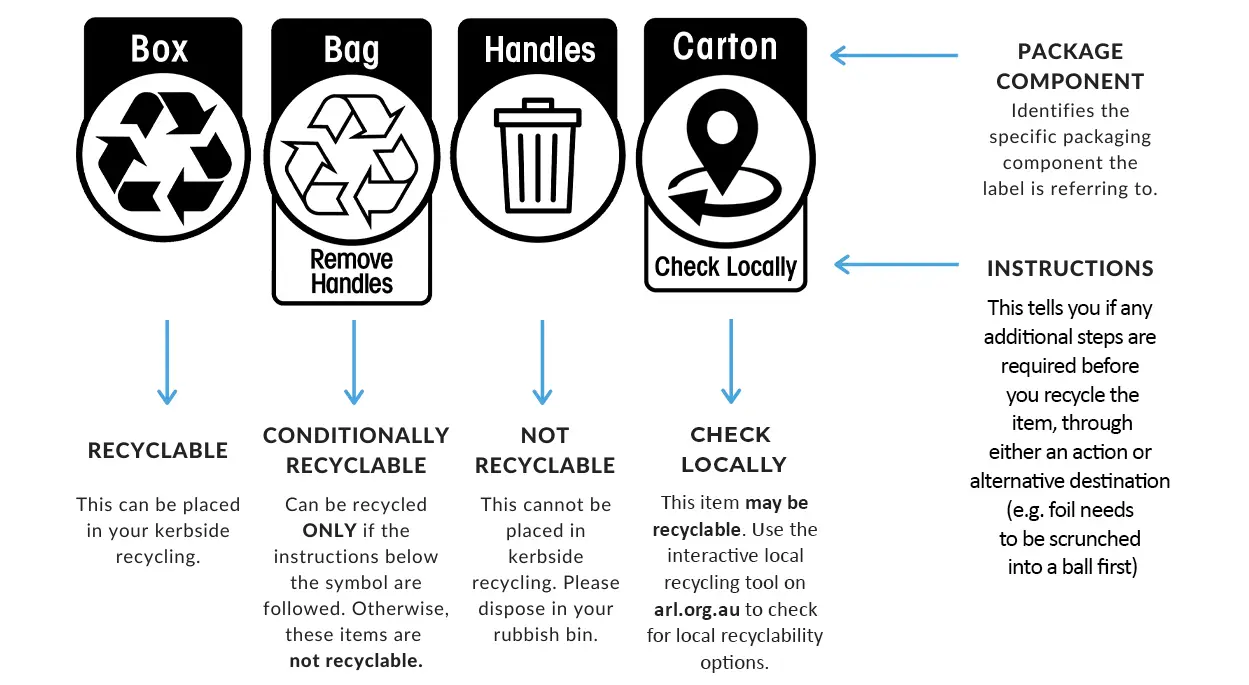
Understanding waste and recycling symbols helps you sort your waste correctly and reduce contamination.
Australasian Recycling Label (ARL)
This standardised system shows how to dispose of packaging in the best way.
 Compostable
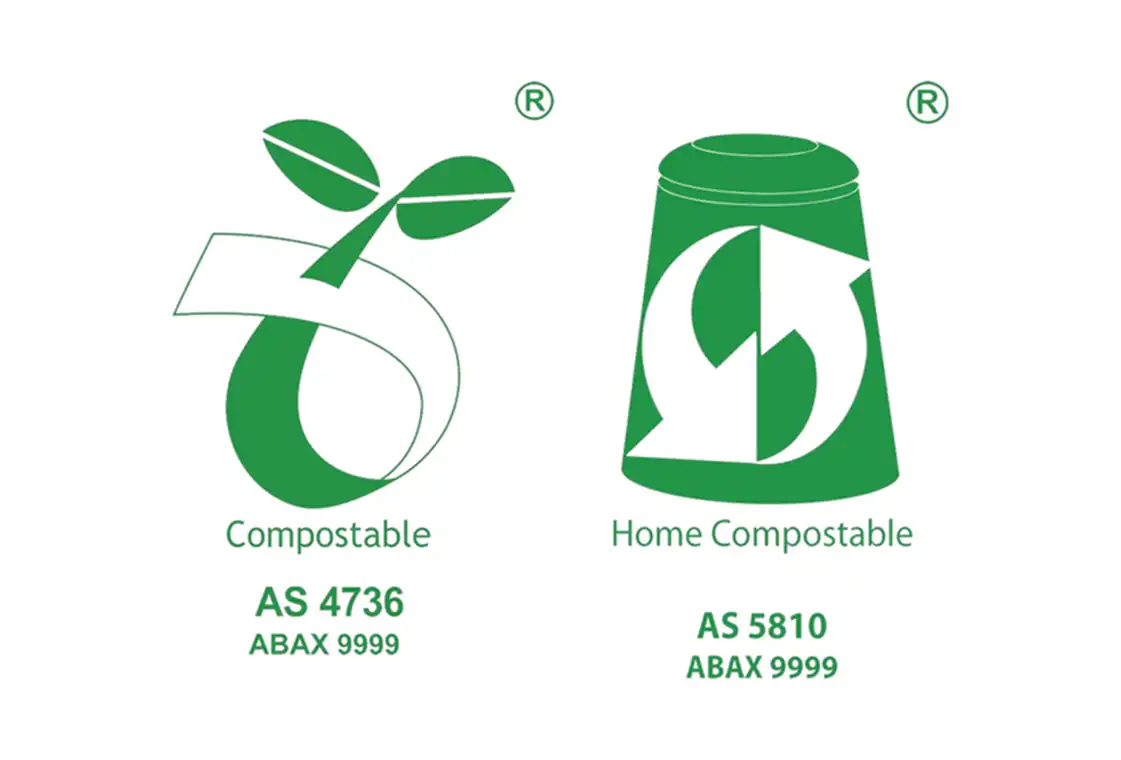
Products made from natural materials break down without releasing toxic substances, then turn into compost when processed through a composting system. Opting for compostable materials is the best choice for the environment. There two symbols identify compostable items, which are not recyclable and belong in your general waste bin.
.png?language=en "Compostable icons")
Compostable items require industrial composting processes to break down, such as high heat, time, and volume. If you have at-home composting system, make sure items have the ‘Home Compostable’ symbol.
Plastic types
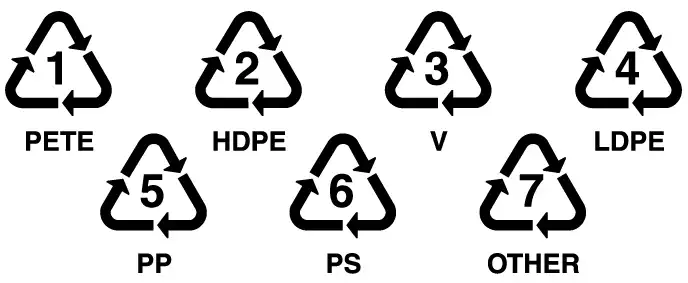
Manufacturers use seven plastic identification codes to show what type of plastic a product is made from, but the symbol doesn’t always mean the item can be recycled. In the City of Mandurah, only plastics labelled 1, 2, and 5 can go in your yellow‑top recycling bin. Plastics marked 3, 4, 6, and 7 can’t be recycled through our local kerbside system, so please look for ways to repurpose them or place them in your general waste bin.
Useful documents