Table of contents

Conservation and biodiversity

Mandurah is home to a rich and diverse natural environment that supports a wide variety of native plants, animals, and ecosystems. The City works to conserve and enhance these natural values by focusing on:

  • Vegetation: Protecting native plants, bushland, wetlands, and reserves to support healthy ecosystems. 
  • Restoration: Rehabilitating degraded sites, planting native species, and improving habitat quality. 
  • Threats: Managing weeds, feral animals, plant diseases, and habitat loss. 
  • Wildlife: Improving native wildlife habitat and resource availability.
  • Community: Working with volunteers and residents to care for bushland and build environmental awareness. 
Two cockatoos on a watering station in Mandurah

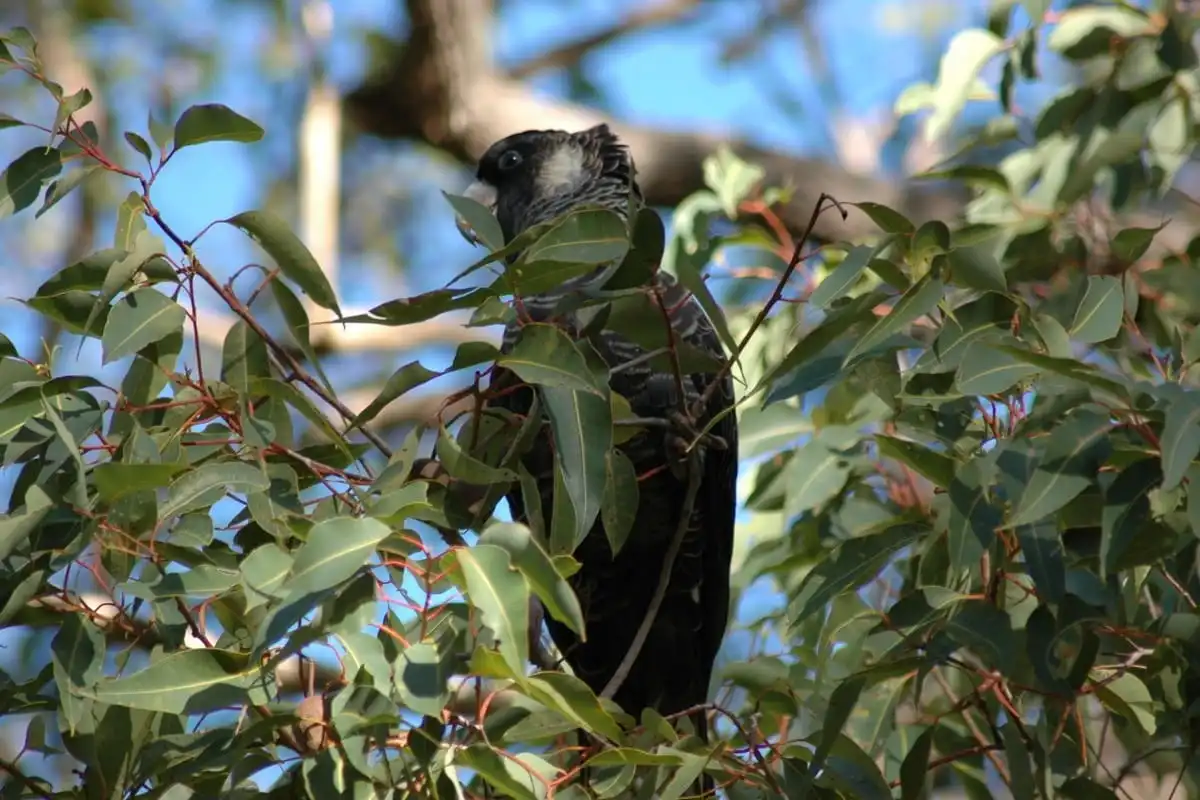
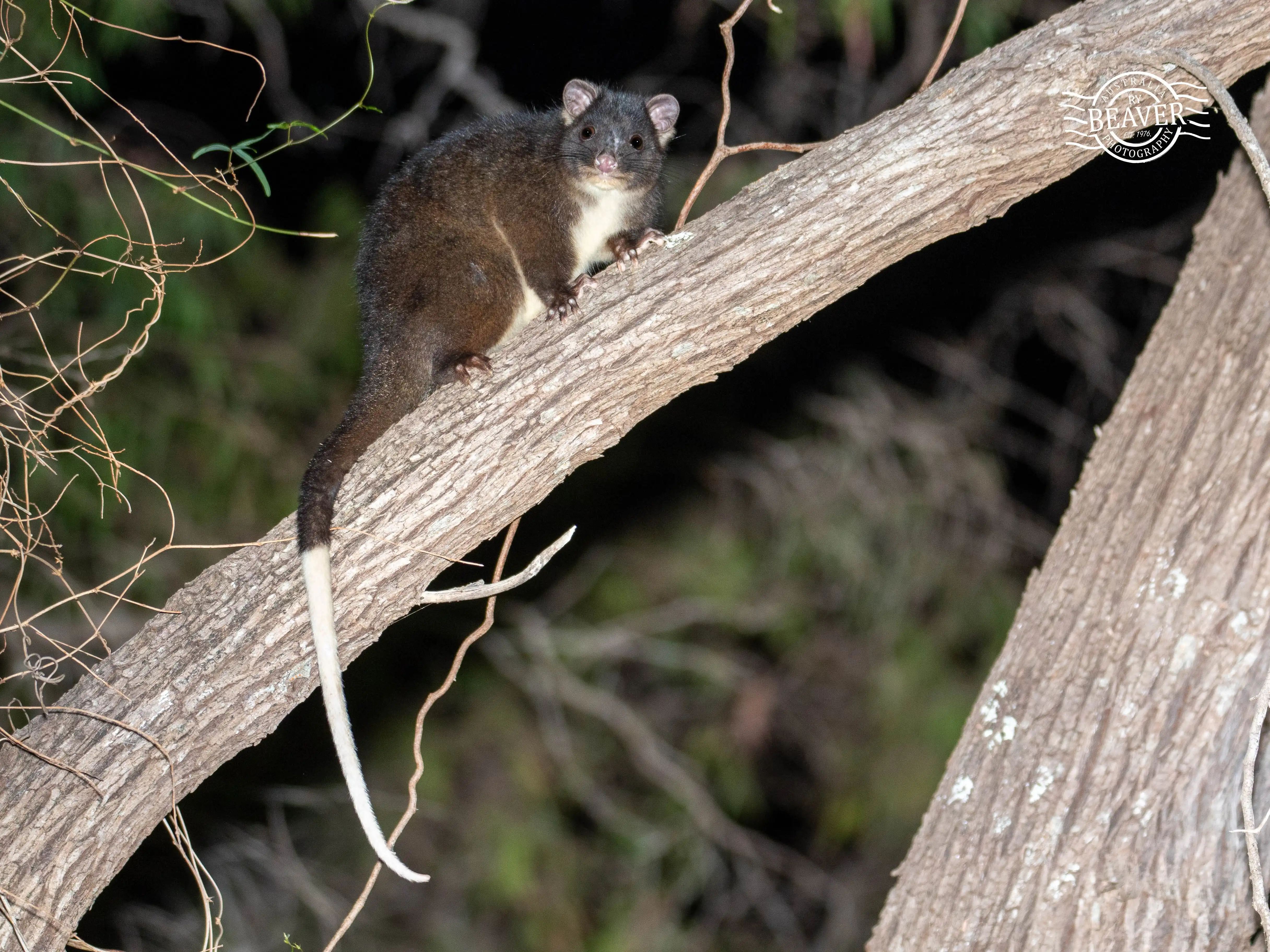
Threatened species

Mandurah is home to threatened native species that rely on our bushland, wetlands, and neighbourhood habitats to survive. The City works alongside community groups, researchers, and residents to support long‑term recovery.

Plans and actions

The City is committed to protecting and restoring local biodiversity through a range of strategies, plans, and policies. 

Close up of a purple orchid

Environment Strategy

The City’s Environment Strategy guides long‑term biodiversity outcomes, including:

  • Protection of native species
  • Improvement of habitat condition
  • Purchasing of high-value bushland for conservation
Download Environment Strategy
Aerial photo of bushland in Mandurah

Bushland Conservation and Management Policy

This policy outlines how the City manages and protects its native bushland reserves. It sets clear principles for conservation, rehabilitation, fire management and community stewardship to ensure these areas remain healthy and resilient.

Download Bushland Conservation and Management Policy
Red-tailed black cockatoo in flight

Upcoming plans

  • Biodiversity Strategy – an approach to protecting ecological values and prioritising areas for conservation.
  • Ecological Corridors Plan – identifying and enhancing habitat linkages to support wildlife movement.
  • Fauna Management Plan – a framework for protecting native fauna, managing impacts, and improving habitat opportunities.

Environmental management

Mandurah’s bushland, wildlife, and natural areas are protected through a combination of City programs, state legislation, and responsible land management by property owners. This section helps residents understand their responsibilities and find the right tools and services to help care for the environment.

Pests, plants, and feral animals

  • Declared pests: Certain weeds and pest animals must be controlled under the Biosecurity and Agriculture Management (BAM) Act to protect the environment and neighbouring properties. 
  • Problem species: Feral and declared animals (such as rabbits and foxes) and invasive weeds are common threats to native vegetation and wildlife. 
  • Owner responsibility: Property owners must manage declared pests on their land, including removing invasive weeds and preventing pest animal impacts. 

The City carries out regular pest control in public reserves. Resources and advice on managing feral animals are available from the Peel Harvey Biosecurity Group for people who own or lease rural, semi-rural, or larger residential land. 

FAQs

Other helpful resources

Volunteer

Volunteer

Get involved in environmental volunteering and conservation activities.

Take me there
Wildlife

Wildlife

Information on local wildlife, protection, and coexistence in Mandurah.

Take me there